
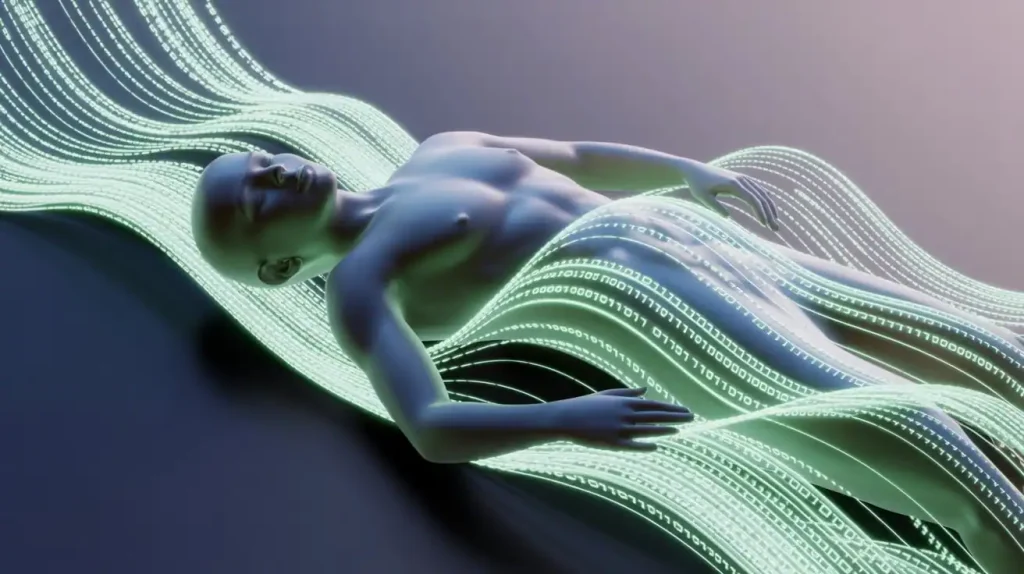
Sleep is one of the most essential yet mysterious parts of human life. Despite decades of research, scientists are still uncovering how and why we sleep. These facts highlight what we know and what remains uncertain about this daily phenomenon.
The Science Behind Sleep
- Sleep is regulated by a complex interaction between the brain, hormones, and body rhythms.
- The circadian rhythm acts as an internal clock, but its exact mechanisms are still being studied.
- During sleep, the brain remains highly active rather than shutting down.
- Different stages of sleep serve distinct functions that are not yet fully understood.
- REM sleep is strongly linked to dreaming, though its full purpose is still unclear.
Effects on the Body and Mind
- Lack of sleep can affect memory, mood, and decision-making abilities.
- The body repairs tissues and strengthens the immune system during sleep.
- Sleep plays a role in regulating metabolism and body weight.
- Chronic sleep deprivation is associated with various long-term health risks.
- Scientists are still exploring how sleep influences emotional processing.
Unsolved Mysteries of Sleep
- The exact reason humans need sleep remains unknown.
- Dreams may help process experiences, but their true function is still debated.
- Some animals sleep very little, raising questions about sleep’s universal role.
- Sleepwalking and other behaviors show that the brain can be active while the body is at rest.
- Researchers continue to investigate how technology affects sleep patterns over time.
Sleep remains one of the great scientific puzzles, blending biology, psychology, and mystery. As research continues, each discovery brings us closer to understanding why this vital process is so important.