
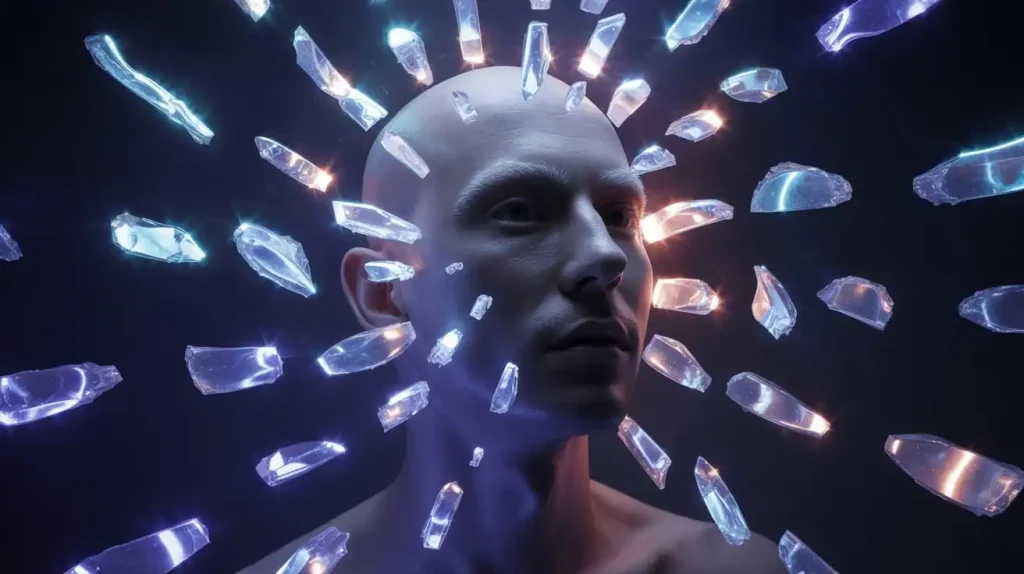
Memory feels like a reliable record of our lives, but in reality it is far more flexible and complex. What we remember is shaped by biology, emotions, and perception. These surprising facts reveal how memory really works behind the scenes.
How Memory Works
- Memory is not stored in a single location but distributed across different areas of the brain.
- Every time you recall a memory, it can change slightly before being stored again.
- The brain prioritizes meaningful or emotional information over neutral details.
- Short-term memory has a limited capacity and can only hold a few items at once.
- Long-term memories are formed through repeated connections between neurons.
The Influence of Emotions and Perception
- Strong emotions can make memories feel more vivid but not necessarily more accurate.
- Stress can both enhance and impair memory depending on the situation.
- The brain can fill in gaps, creating memories that feel real but are not entirely true.
- Expectations and beliefs can influence how events are remembered.
- Smells are especially powerful triggers for recalling past experiences.
Strange and Unexpected Memory Effects
- People can remember events that never actually happened, known as false memories.
- Memory can fade over time, but some details may remain surprisingly clear.
- Repetition can strengthen memory, but it can also reinforce inaccuracies.
- Lack of sleep can significantly reduce the ability to form new memories.
Limits and Mysteries of Memory
- Scientists still do not fully understand how memories are permanently stored.
- Some individuals have exceptional memory abilities that are still being studied.
- Forgetting is a natural and important part of how memory works.
Memory is not a perfect recording but a dynamic and evolving process. Understanding it can change how we view our past and the way we interpret our experiences.