
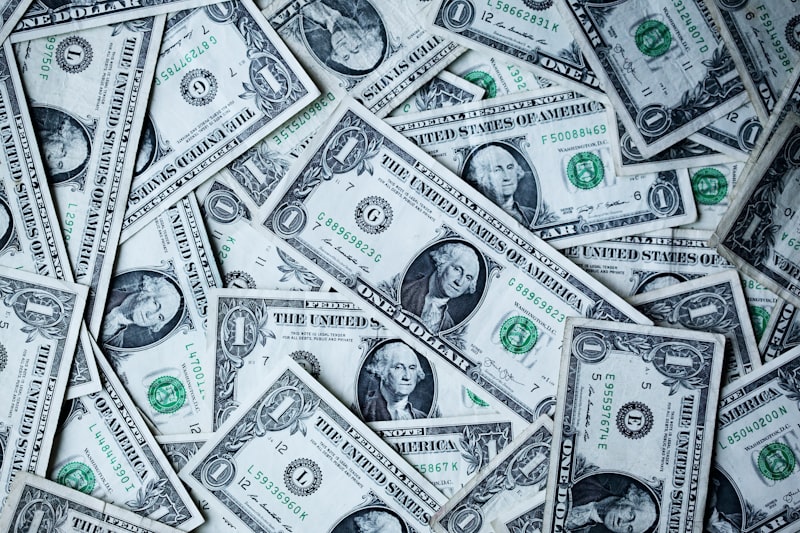
From giant stone discs to invisible cryptocurrency —the fascinating evolution of how humans have traded, saved, and measured value.
Strange Forms of Money
1. On the island of Yap in Micronesia, people used giant stone discs called Rai stones as currency. Some stones were 12 feet in diameter and weighed several tons. Ownership transferred without moving the stones —the community simply remembered who owned which stone.
2. Cowrie shells were used as currency across Africa, Asia, and the Pacific for over 1,000 years. They were the most widely used currency in human history until the 20th century.
3. During the American colonial period, wampum —beads made from shells —was used as currency. It was so widely accepted that it was legal tender in Massachusetts until 1661.
The Birth of Modern Money
4. The first coins were minted around 600 BCE in the kingdom of Lydia (modern-day Turkey). They were made of electrum, a naturally occurring gold-silver alloy, and stamped with the image of a lion.
5. Paper money was invented in China during the Tang Dynasty (7th century CE) and became widespread under the Song Dynasty (11th century). Marco Polo was astonished by the concept, as Europe still used metal coins.
6. The largest denomination banknote ever issued was the 100 trillion dollar note by Zimbabwe in 2009, during a period of hyperinflation where prices doubled every 24 hours. The note was worth about 40 U.S. cents.
Economic History
7. Tulip mania in 1630s Netherlands is considered the first speculative bubble. At its peak, a single tulip bulb sold for more than 10 times the annual income of a skilled craftsman.
8. The Great Depression (1929-1939) saw global GDP fall by an estimated 15%. U.S. unemployment reached 25%, and the stock market lost nearly 90% of its value between 1929 and 1932.
9. The U.S. dollar became the worlds reserve currency after the 1944 Bretton Woods Agreement. Today, approximately 60% of global foreign exchange reserves are held in U.S. dollars.
Modern Currency
10. The first credit card was the Diners Club card, introduced in 1950. It was created after businessman Frank McNamara forgot his wallet at a restaurant and had to call his wife to bring money.
11. Bitcoin, the first decentralized cryptocurrency, was created in 2009 by the pseudonymous Satoshi Nakamoto. The first real-world Bitcoin transaction was for two pizzas in 2010 —which cost 10,000 BTC (worth hundreds of millions of dollars today).
12. It is estimated that over 90% of the worlds money exists only as digital entries in computer systems —physical cash represents less than 10% of all money in circulation.