
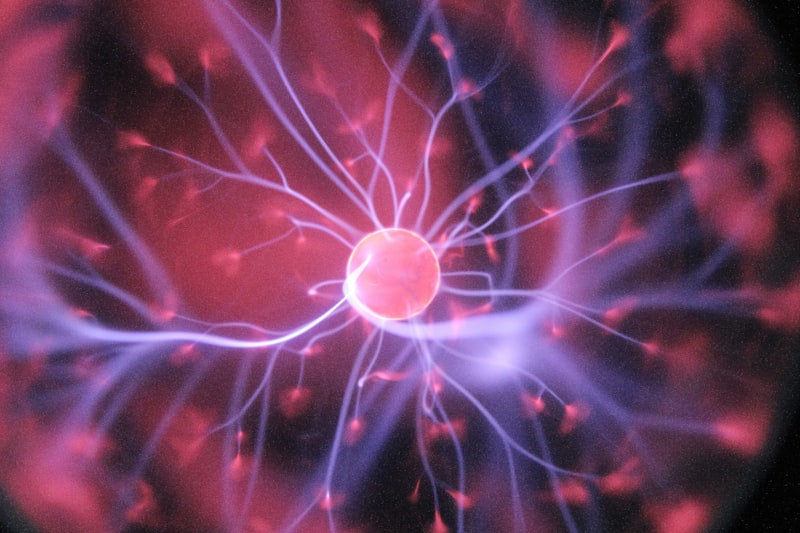
Your memories are rewritten every time you recall them —they are more fiction than fact. The science behind why eyewitness testimony is so unreliable.
Memory Is Not a Recording
1. Every time you recall a memory, you physically alter it. The act of remembering reconstructs the memory, which is then re-encoded in a modified form. Your memories are literally changing with every recall.
2. False memories can be implanted. In the famous lost in the mall study, researchers convinced 25% of participants they had been lost in a shopping mall as children —an event that never occurred.
3. Eyewitness testimony is wrong about 30% of the time. The Innocence Project has exonerated over 375 wrongfully convicted people using DNA evidence —and eyewitness misidentification was a factor in approximately 70% of those cases.
Types of Memory
4. Working memory can hold only about 4-7 items at once. This is why phone numbers are typically 7 digits long before the area code.
5. Smell is the strongest memory trigger. The olfactory bulb has direct connections to the amygdala and hippocampus —emotion and memory centers —making scent-triggered memories particularly vivid and emotional.
6. Your brain separates memories across different regions: facts (semantic memory) in the temporal lobe, skills (procedural memory) in the cerebellum and basal ganglia, and personal experiences (episodic memory) in the hippocampus.
Memory Failures
7. The forgetting curve shows we forget about 50% of new information within an hour and 70% within 24 hours unless we actively review it. Spaced repetition —reviewing at increasing intervals —is the most effective way to retain information.
8. Childhood amnesia explains why you cannot remember events before age 3-4. The hippocampus, essential for forming long-term memories, is not fully developed in early childhood.
9. Stress impairs memory formation and recall. Cortisol, the stress hormone, actually shrinks the hippocampus over time, which is why chronic stress leads to memory problems.
Extraordinary Memory
10. Highly Superior Autobiographical Memory (HSAM) allows people to recall nearly every day of their lives in extraordinary detail. Fewer than 100 confirmed cases exist worldwide.
11. Memory champions use the method of loci —mentally placing items to remember along a familiar route like their house —an ancient Greek technique that exploits the brain spatial memory strengths.
12. Sleep is crucial for memory consolidation. During deep sleep, the brain replays the day experiences at 20 times their normal speed, strengthening important connections.
13. Your earliest memory is likely false. Most people earliest memories date to around age 3, but research suggests these are often constructed from photos, family stories, and imagination rather than actual recall.
14. Digital amnesia: when you know information is easily accessible online, you are less likely to remember it. In one study, people who were told facts would be saved to a computer remembered significantly fewer of them.
15. Memory is reconstructive, not reproductive. The brain does not play back a recording —it rebuilds the memory from fragments each time, filling in gaps with expectations and general knowledge.