
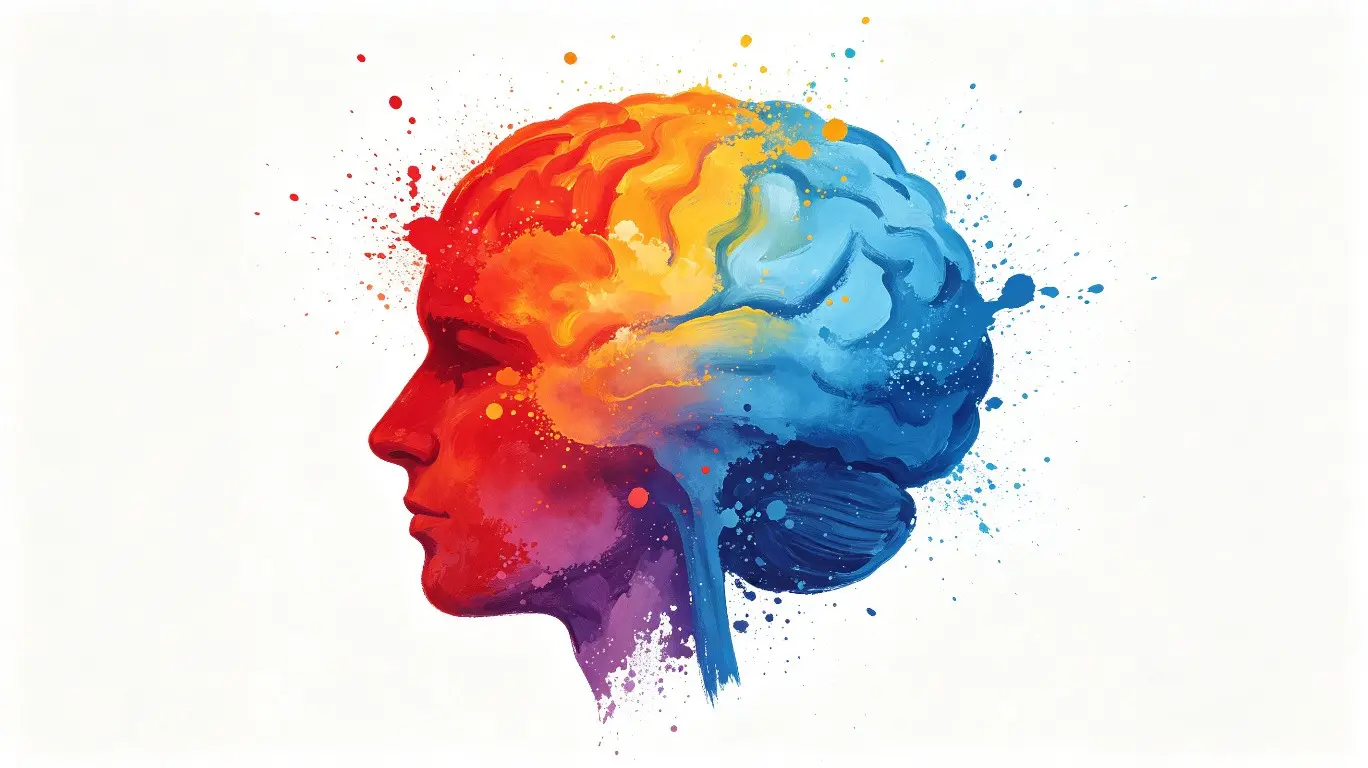
Color surrounds us constantly, yet few of us realize how profoundly it affects our emotions, decisions, and behavior. The psychology of color reveals that what we see influences what we feel, how we think, and even how much we buy -- often without our conscious awareness.
How Color Affects the Brain
1. Color perception begins when light enters the eye and stimulates photoreceptor cells in the retina called cones. Humans typically have three types of cones sensitive to red, green, and blue wavelengths. The brain processes these signals and constructs our rich experience of color in less than 100 milliseconds.
2. Color can directly affect heart rate, blood pressure, and respiration. Studies have shown that exposure to red can increase pulse rate by up to 10%, while blue and green environments tend to lower heart rate and blood pressure, inducing a measurable state of calm.
3. The effect of color on mood and behavior is partly universal and partly cultural. While some color associations appear to be hardwired -- red signaling danger across cultures -- others vary dramatically. White is associated with purity in Western cultures but with mourning in many East Asian traditions.
Red: Power and Passion
4. Red is the first color that human infants can distinguish, typically by about two weeks of age. This may be because red wavelengths are the longest visible to humans and are processed more efficiently by the still-developing visual system.
5. Athletes wearing red win more often, according to research analyzing Olympic combat sports. Competitors in red uniforms won slightly but statistically significantly more matches against opponents in blue, suggesting that red may provide a psychological advantage in some competitive contexts.
6. Red increases appetite, which is why it features prominently in food brand logos. McDonald's, KFC, Pizza Hut, and Coca-Cola all use red as their primary brand color, leveraging this well-established psychological effect.
Blue: Trust and Tranquility
7. Blue is consistently rated as the world's most popular color across cultures and demographics. Approximately 40% of people worldwide list blue as their favorite color, possibly because of its associations with clear skies and clean water, which were reliable signals of safety in our evolutionary past.
8. Blue enhances creative performance, while red improves attention to detail, according to a landmark 2009 study. Participants exposed to blue backgrounds performed better on creative brainstorming tasks, while red backgrounds improved proofreading accuracy -- a finding with direct implications for workplace and classroom design.
9. Blue is the most common color for corporate logos, used by Facebook, Twitter, LinkedIn, IBM, Ford, and countless banks and financial institutions. It conveys trustworthiness, stability, and professionalism -- exactly the qualities businesses want to project.
Green: Balance and Growth
10. Green is the most restful color for the human eye because it sits in the middle of the visible spectrum and requires no adjustment for focus. Hospital scrubs and operating rooms are often green to reduce eye strain for surgeons during long procedures.
11. Spending time in green environments has measurable psychological benefits. The Japanese practice of shinrin-yoku, or forest bathing, has been shown to reduce cortisol levels, blood pressure, and heart rate while improving mood and immune function.
12. Greenwashing -- using green packaging to signal environmental friendliness regardless of actual sustainability -- exploits color psychology to influence purchasing decisions. Products with green packaging are perceived as healthier and more natural, even when the contents are identical to competitors.
Marketing and Decision Making
13. Up to 90% of snap judgments about products can be based on color alone, according to research on consumer behavior. This is why brands invest enormous resources in selecting the right color palette, often running extensive market testing before settling on a final design.
14. The color of a pill can influence how effective patients believe it to be. In one study, people rated red and orange pills as more stimulating, while blue and green pills were perceived as more calming. This placebo effect of color can have real consequences for treatment adherence and outcomes.
15. Yellow grabs attention faster than any other color, which is why it is used for taxis, traffic signs, and caution tape. The human eye processes yellow light most efficiently because yellow stimulates both the red and green cones simultaneously, producing the strongest response in the visual cortex.
Surprising Effects
16. Pink has been shown to temporarily reduce aggressive behavior. The phenomenon, known as Baker-Miller Pink, led some prisons and psychiatric facilities to paint holding cells in this specific shade, with one study reporting a significant decrease in aggressive incidents within the first 15 minutes of exposure.
17. People in colder rooms perceive the temperature as higher when the room is painted in warm colors like red and orange. Conversely, blue and green rooms feel subjectively cooler. This psychological effect can lead to real energy savings if used strategically in building design.
18. Color can affect the perceived passage of time. People in red environments tend to overestimate how much time has passed, while those in blue and green environments underestimate it. This may explain why fast-food restaurants often use red -- customers feel like their wait is longer, encouraging quick turnover and faster eating.