
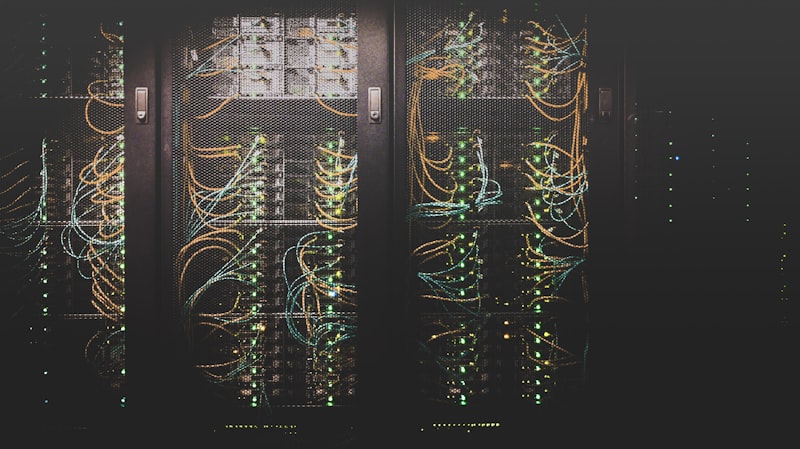
The internet feels normal, yet behind the screen exists a vast, complex system filled with surprising realities about data centers, undersea cables, and global traffic.
The Scale of the Internet
1. There are over 5.5 billion internet users worldwide -- about 68% of the global population. The number grows by roughly 200 million new users each year, with the fastest growth in developing countries.
2. Over 4 million gigabytes of data are transferred every minute on the internet. This includes 500 hours of video uploaded to YouTube every minute, 50 million WhatsApp messages, and 350,000 tweets.
3. There are over 1.1 billion websites on the internet, but only about 200 million of them are actively maintained. The rest are parked domains, spam sites, or abandoned projects.
4. The internet consumes approximately 10% of global electricity. Data centers, network infrastructure, and connected devices require enormous amounts of power, and this figure is projected to grow to 20% by 2030.
5. Google processes over 8.5 billion searches per day -- about 99,000 searches every second. The average search query travels about 1,500 kilometers to reach a data center and back.
Hidden Structure
6. About 96% of the internet is on the 'deep web' -- content not indexed by search engines. This includes private databases, academic journals, medical records, corporate intranets, and password-protected content.
7. The dark web is a small fraction of the deep web (estimated at 0.1%) that requires special software like Tor to access. While known for illegal marketplaces, it's also used by journalists, activists, and whistleblowers.
8. There are only 13 root DNS servers in the world that form the backbone of the internet's addressing system. Ten are in the United States, with one each in London, Stockholm, and Tokyo.
9. Undersea cables carry 99% of international internet traffic. There are over 450 active cable systems spanning more than 1.4 million kilometers across the ocean floor.
User Behavior
10. The average person spends about 7 hours per day online -- over 100 days per year. This includes social media, streaming, browsing, messaging, and work-related internet use.
11. 45% of all internet traffic is generated by bots, not humans. This includes search engine crawlers, monitoring tools, and malicious bots performing automated attacks.
12. The '3-second rule' of web design: 53% of mobile users abandon a site that takes longer than 3 seconds to load. Every second of delay reduces customer satisfaction by 16%.
13. 88% of people admit to lying on their dating profile. The most common lies are about height, weight, age, income, and interests.
14. The most common password worldwide is still '123456,' followed by 'password' and '123456789.' Despite decades of warnings, roughly 1 in 5 people still use easily guessable passwords.
Technology Behind It
15. The first email was sent by Ray Tomlinson in 1971. He doesn't remember what it said, describing it as 'something like QWERTYUIOP.' He also chose the '@' symbol for email addresses.
16. The first website ever created, info.cern.ch, was launched on August 6, 1991 by Tim Berners-Lee. It explained what the World Wide Web was and how to set up a web server.
17. The average web page takes about 15-20 requests to load completely, downloading roughly 2-3 MB of data including HTML, CSS, JavaScript, images, and fonts.
18. HTTP/3, the latest version of the web's foundational protocol, uses QUIC (Quick UDP Internet Connections) instead of TCP, reducing connection establishment time from 3 round trips to 0 or 1.
19. Content Delivery Networks (CDNs) like Cloudflare and Akamai serve about 70% of all web traffic. They cache content at edge servers worldwide, reducing latency and protecting against DDoS attacks.
Surprising Realities
20. The internet is not a single network but a 'network of networks.' Over 70,000 independent networks (Autonomous Systems) interconnect through peering agreements to form the global internet.
21. Bitcoin mining consumes more energy than some entire countries. The annual energy consumption of the Bitcoin network is comparable to that of Sweden or Malaysia (about 150 TWh per year).
22. YouTube's 'Dislike' button was originally hidden in 2021 to reduce targeted harassment campaigns. Before this change, the most disliked video on YouTube was 'YouTube Rewind 2018' with over 19 million dislikes.
23. The first banner ad (on HotWired in 1994) had a click-through rate of 44%. By 2024, the average click-through rate for a banner ad had fallen to about 0.05% -- a drop of nearly 1,000 times.
24. The phrase 'surfing the internet' was coined in 1992 by librarian Jean Armour Polly. She needed a catchy title for a library internet guide and thought of 'surfing' while sitting at her kitchen table.